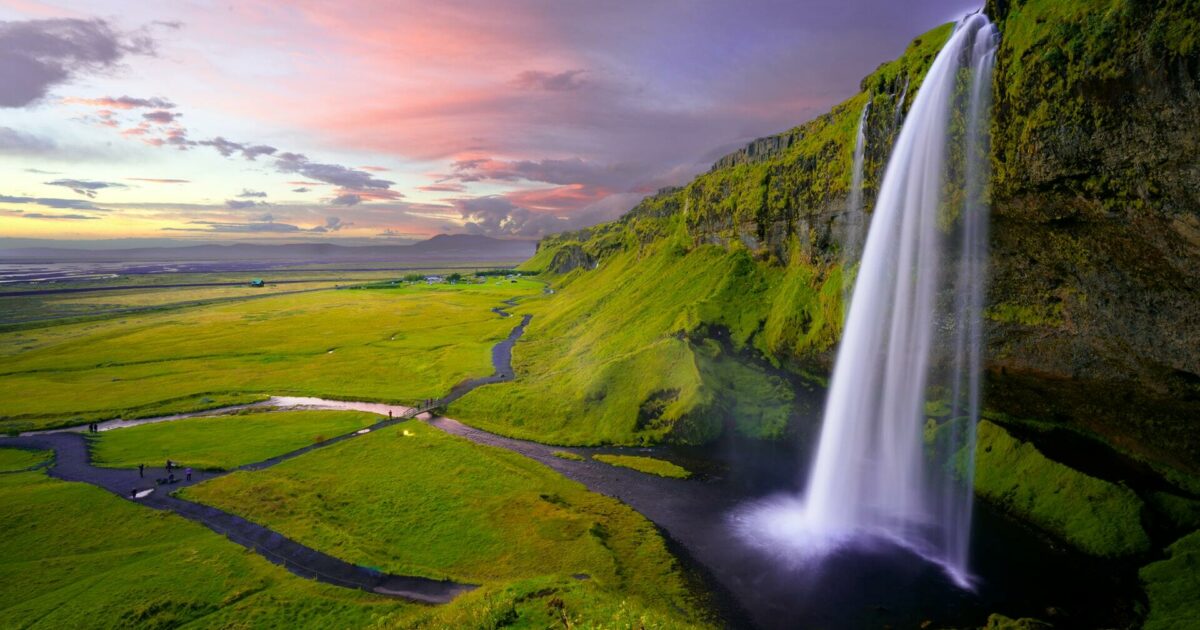
| Wildlife refers to all non-domesticated living organisms—animals, plants, fungi, and microorganisms—that exist in natural habitats without direct human control. This includes everything from large mammals like elephants and wolves to insects, birds, and ocean life. Wildlife plays a vital role in maintaining ecological balance through processes like pollination, food chains, and nutrient cycling. These organisms evolve naturally and adapt to their environments over long periods, forming complex ecosystems such as forests, oceans, and grasslands. |
The relationship between wildlife and human life is interdependent but sometimes conflicting. Humans depend on wildlife for resources like food, medicine, and ecosystem services (clean air, water, and fertile soil). However, human activities such as deforestation, pollution, and urban expansion can threaten wildlife populations and biodiversity. |